
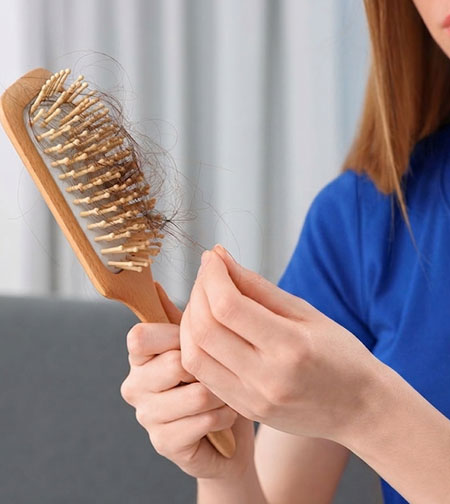
Hair fall is a common concern that can affect both men and women at different stages of life. Losing some hair every day is normal, but excessive shedding, visible thinning, widening of the hair part, or a noticeable reduction in hair density may indicate an underlying problem that needs attention.
Hair loss can occur for many different reasons, including genetics, hormonal changes, nutritional deficiencies, stress, illness, certain medications, and scalp conditions. Identifying the cause is an important first step towards choosing the right treatment.
Hair growth occurs in cycles. Each hair follicle goes through phases of growth, transition, and shedding. When this natural cycle is disturbed, excessive hair shedding or thinning may occur.
Common factors associated with hair fall include:
Hair fall and hair thinning are related but not always the same. Hair fall refers to increased shedding of hair, while hair thinning refers to a gradual reduction in overall hair density.
You may notice thinning as a wider hair part, reduced volume, a receding hairline, or more visible scalp. Some people experience increased shedding first, while others may notice gradual thinning without significant hair fall.
Understanding the pattern and duration of hair loss can help a dermatologist identify possible causes and plan appropriate evaluation.
Hair loss can sometimes develop gradually, making it easy to overlook the early signs. Consider seeking professional advice if you notice:
Hair loss can have multiple causes, so treatment should ideally begin with identifying the underlying problem. During a dermatological consultation, the doctor may assess your hair loss pattern, scalp condition, medical history, lifestyle, medications, and family history.
Depending on the individual case, additional investigations may be recommended to look for possible nutritional, hormonal, or medical contributors to hair loss.
A detailed evaluation helps distinguish between different types of hair loss and allows treatment to be tailored to the patient's specific needs.
Hair loss treatment depends on its underlying cause. There is no single treatment that is suitable for every type of hair loss. Some simple measures can also support healthy hair and scalp care.
1. Maintain a Balanced Diet
A balanced diet that provides adequate protein, vitamins,
minerals, and other essential nutrients supports normal
hair growth. If a deficiency is suspected, appropriate
testing and medical advice may be recommended.
2. Take Care of Your Scalp
Keep the scalp clean and follow a suitable hair and scalp
care routine. Persistent dandruff, itching, scaling, or
inflammation should be evaluated by a dermatologist.
3. Avoid Excessive Hair Damage
Limit frequent heat styling, harsh chemical treatments,
and hairstyles that continuously pull on the hair.
4. Handle Hair Gently
Avoid aggressive brushing or combing, particularly when
the hair is wet. Gentle hair care can help reduce
unnecessary breakage.
5. Manage Stress
Significant stress can affect the hair growth cycle in
some individuals. Adequate sleep, regular physical
activity, and healthy stress-management habits can
support overall wellbeing.
6. Seek Early Professional Evaluation
Persistent or progressive hair loss should not be ignored.
Early evaluation can help identify the cause and determine
whether treatment may help preserve existing hair.
Once the cause and type of hair loss are identified, a dermatologist can recommend an appropriate treatment plan. Depending on the individual condition, treatment may include medical therapy, scalp treatments, or procedures designed to support hair growth.
Depending on the patient's needs, dermatological hair restoration treatments may include:
Consider consulting a dermatologist if:
Hair loss can have many possible causes, and delaying evaluation may allow some conditions to progress. Identifying the underlying cause early can help determine whether medical treatment or hair restoration procedures may be appropriate.
Early attention is particularly important when hair loss is sudden, rapidly progressing, patchy, or associated with scalp symptoms.
Hair fall is common, but persistent or progressive hair thinning should not be ignored. The right treatment depends on the type of hair loss, its underlying cause, scalp condition, and individual response to treatment.
A personalized approach can help address the underlying problem while supporting the health and appearance of your existing hair.
Dr. Krupa Ajmera Modi provides personalized dermatological and hair restoration care for hair fall, hair thinning, and other hair and scalp concerns, with treatment plans tailored to each patient's individual needs.
Consult Dr. Krupa Ajmera Modi for a detailed hair and scalp assessment and a personalized treatment plan.